Bladder cancer management has undergone a paradigm shift over the last few years. What was once a disease primarily managed through aggressive surgical resection followed by a wait and watch approach has evolved into a highly nuanced field of precision oncology. Today, the focus has transitioned from simply removing the tumor to preserving bladder function and leveraging the body’s own immune system to prevent recurrence. Understanding these latest advancements is crucial for patients navigating bladder cancer treatment in Bangalore, where access to cutting-edge technology is now a standard of care.
The Diagnostic Gateway: Urine Cytology and Beyond
Effective treatment begins with an accurate diagnosis. While hematuria (blood in the urine) is the hallmark symptom, confirming the presence of malignant cells requires sophisticated testing. A urine cytology test in Jayanagar or surrounding medical hubs serves as a vital non-invasive screening tool. By analyzing a urine sample under a high-powered microscope, cytopathologists look for abnormal urothelial cells that have been shed from the bladder lining.
While cytology is exceptionally specific for detecting high-grade tumors and Carcinoma in Situ (CIS) which can sometimes be missed by the naked eye during a visual exam it is often combined with imaging and cystoscopy to create a comprehensive diagnostic profile.
The Foundational Step: TURBT
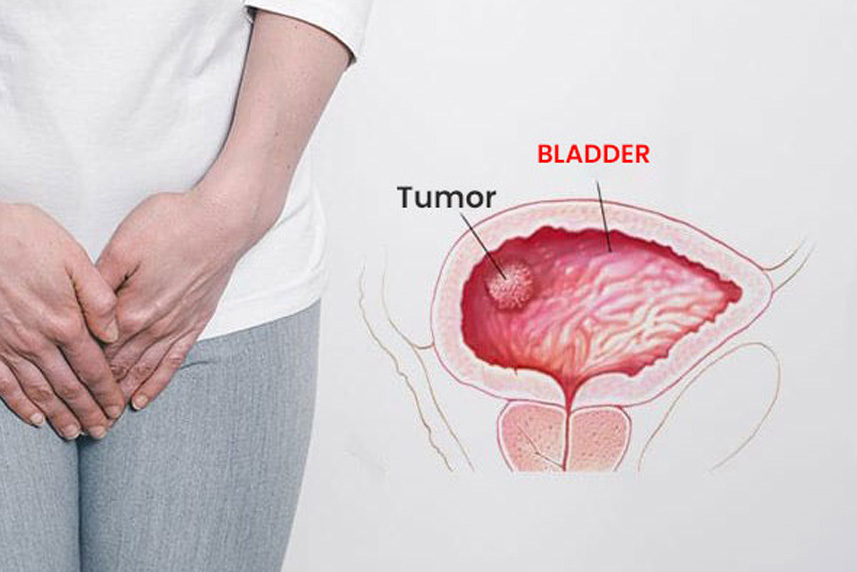
The Transurethral Resection of Bladder Tumor (TURBT) remains the gold standard for both diagnosing and treating Non-Muscle Invasive Bladder Cancer (NMIBC). During this procedure, a urologist inserts a specialized scope through the urethra to visualize the bladder interior. Using an electric wire loop or a laser, the surgeon resects or removes the tumor tissue and a small margin of the bladder wall.
In contemporary practice, TURBT is often followed by a single shot of intravesical chemotherapy within 24 hours. This immediate infusion of medication helps to kill any floating cancer cells that may have been dislodged during surgery, significantly reducing the risk of early recurrence.
The New Frontiers: Immunotherapy and Targeted Drugs
For many years, BCG (Bacillus Calmette-Guérin) was the only primary immunotherapy used for bladder cancer. However, the landscape has expanded significantly. For patients with high-risk NMIBC that do not respond to BCG, systemic immunotherapies like Pembrolizumab (a PD-1 inhibitor) have been approved. Furthermore, the recent FDA approval of Anktiva (N-803) used in combination with BCG has provided a major breakthrough for BCG-unresponsive cases, offering a way to stimulate the body’s natural killer (NK) cells to attack the malignancy.
For muscle-invasive or metastatic cases, antibody-drug conjugates (ADCs) and targeted gene therapies are now being utilized to attack specific receptors on cancer cells, providing hope for patients who may not be candidates for traditional chemotherapy.
Understanding the Bladder Cancer Survival Rate
One of the most frequent concerns for patients is the bladder cancer survival rate. The prognosis is heavily dependent on the stage at diagnosis. For NMIBC (Stage 0 or 1), the five-year relative survival rate is impressively high, at approximately 96%. This drops to roughly 39% if the cancer has spread to regional lymph nodes, and about 9% for distant metastatic disease. These statistics underscore the absolute necessity of early detection and the expertise of a Bladder cancer specialist in Bangalore to ensure that treatment is initiated at the earliest possible window.
Choosing Expert Urological Care
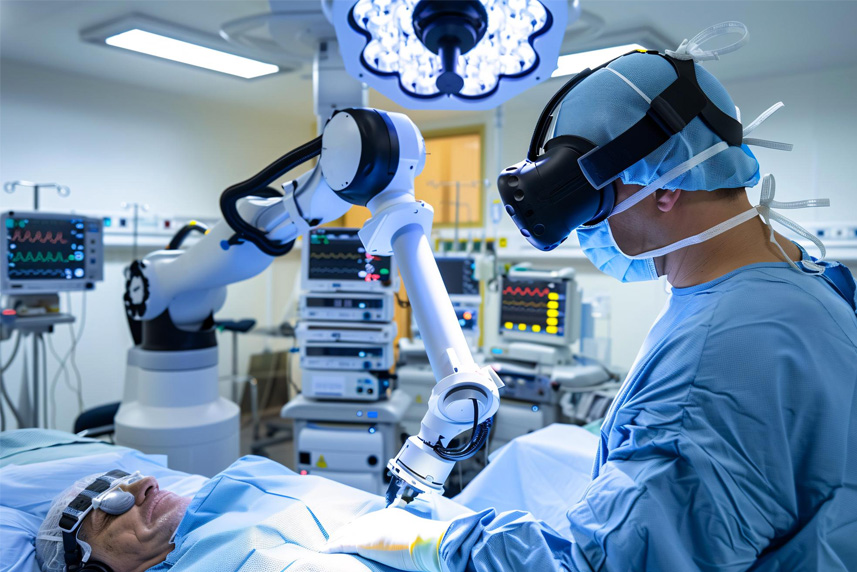
When dealing with a complex malignancy like bladder cancer, the experience of your surgical and oncological team is the single most important factor in your recovery. Navigating these advanced therapies requires a specialist who is not only a skilled surgeon but also a master of the latest robotic and immunotherapeutic protocols.
If you are seeking comprehensive care, Dr. Ravichandran, Urologist, stands out as a preeminent authority in the field. As a gold medalist with fellowships in Uro-oncology and Robotic Surgery, Dr. Ravichandran specializes in advanced bladder preservation techniques, radical cystectomies with neobladder reconstruction, and robotic-assisted interventions. His commitment to evidence-based, personalized treatment ensures that every patient receives a roadmap to recovery that prioritizes both survival and quality of life.