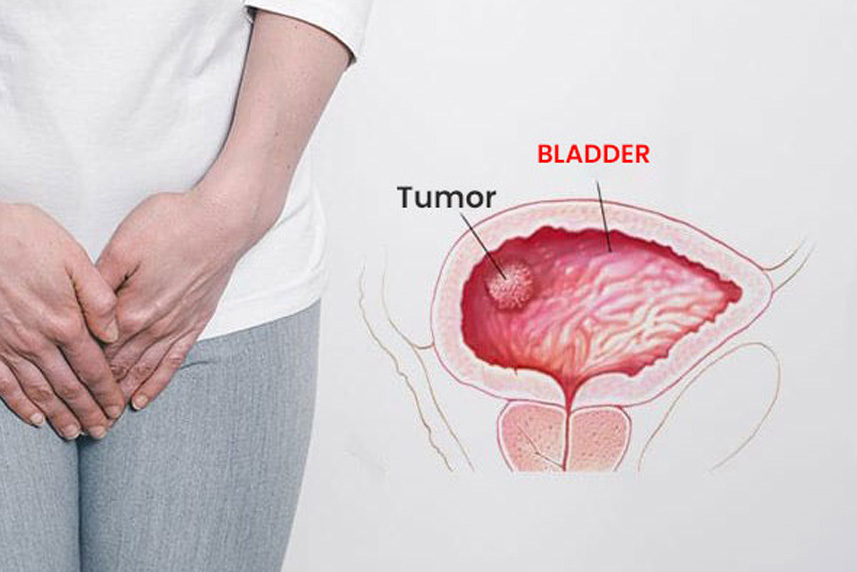
Robotic partial nephrectomy represents a revolutionary advancement in kidney cancer treatment, allowing surgeons to remove tumors while preserving healthy kidney tissue through minimally invasive techniques. This sophisticated procedure combines cutting-edge robotic technology with proven surgical principles to deliver superior outcomes for patients diagnosed with localized renal masses.
Understanding the Procedure
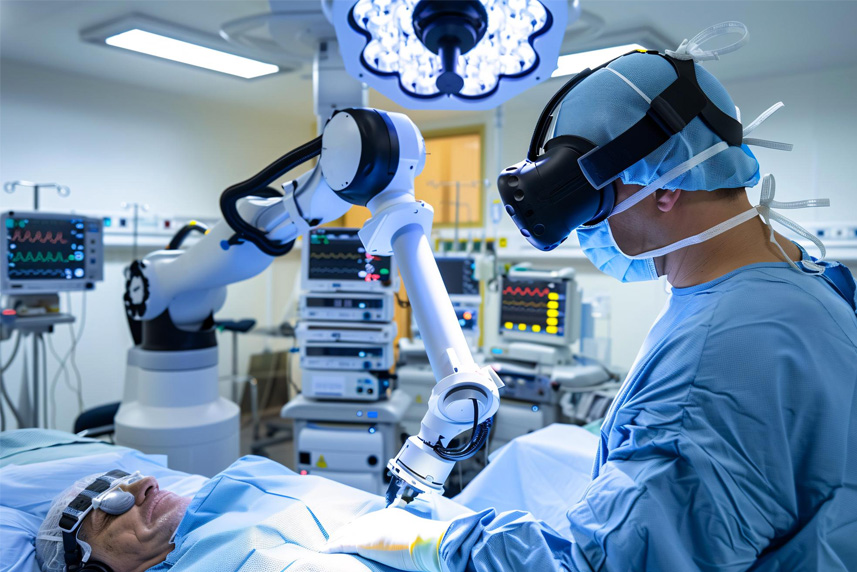
During robotic partial nephrectomy, surgeons utilize the da Vinci robotic surgical system to perform kidney-sparing surgery through three to five small keyhole incisions, each measuring approximately 1 centimeter in the abdomen. The surgeon operates from a specialized console that translates hand movements into precise micro-movements of robotic instruments, providing enhanced dexterity and control beyond human hand capabilities.
The procedure begins after general anesthesia is administered. Carbon dioxide gas inflates the abdomen, creating adequate working space around the kidney. A high-definition three-dimensional camera provides magnified visualization up to ten times normal size, allowing surgeons to identify blood vessels, delineate tumor margins, and assess surrounding anatomy with exceptional clarity.
The renal artery supplying blood to the affected kidney is temporarily clamped for typically 15-30 minutes, enabling tumor excision without excessive bleeding. Surgeons carefully dissect the tumor from healthy kidney tissue, then meticulously reconstruct the kidney defect using advanced robotic suturing techniques. The removed tumor is placed in a retrieval bag and extracted through one of the small incisions for pathological examination.
Clinical Advantages Over Traditional Surgery
Robotic partial nephrectomy offers substantial benefits compared to conventional open surgery. Patients experience significantly less postoperative pain due to smaller incisions that avoid extensive muscle cutting or rib removal required in open approaches. Hospital stays typically range from one to two days versus four to seven days for open surgery.
Recovery time decreases dramatically most patients resume full activities within four to six weeks compared to eight to twelve weeks following open partial nephrectomy. Blood loss during robotic procedures averages 200-300cc, making transfusions extremely rare. The enhanced visualization and instrument precision allow surgeons to work faster, reducing warm ischemia time when blood flow is interrupted, thereby minimizing risk of chronic kidney disease development.
Infection rates, wound complications, and hernia formation occur less frequently with robotic approaches due to smaller incisions and reduced tissue trauma. Cosmetic outcomes prove superior, with tiny scars barely visible after healing.
Preservation of Kidney Function
The fundamental advantage of partial nephrectomy over radical nephrectomy (complete kidney removal) lies in kidney function preservation. Clinical studies demonstrate that patients undergoing partial nephrectomy maintain better long-term renal function and experience lower rates of chronic kidney disease compared to those receiving radical nephrectomy. Research published in JAMA revealed that partial nephrectomy was associated with improved overall survival, with 487 deaths occurring in the partial nephrectomy group versus 2,164 deaths in the radical nephrectomy group during median follow-up exceeding five years.
Preserving kidney tissue proves particularly critical for patients with pre-existing kidney dysfunction, solitary kidneys, bilateral tumors, or hereditary kidney cancer syndromes. The retained kidney functions as insurance should the opposite kidney develop problems later.
Oncological Effectiveness
Cancer control rates with robotic partial nephrectomy match those achieved through traditional open surgery, with no compromise in tumor removal completeness or long-term recurrence rates. The magnified robotic visualization enables surgeons to achieve negative surgical margins while maximizing healthy tissue preservation.
Recovery Expectations
Following surgery, patients typically have a urinary catheter for two days and an abdominal drain near the kidney that is usually removed by the second postoperative day. Normal eating resumes within 24 hours in most cases. Pain management begins with intravenous medication, transitioning quickly to oral medications and then over-the-counter options within days.
Follow-up surveillance includes appointments at one month, then imaging studies at 12 and 24 months to monitor for recurrence. Long-term outcomes demonstrate excellent success rates with minimal complications.
For patients diagnosed with kidney tumors, robotic partial nephrectomy provides an ideal approach that balances effective cancer control with the preservation of healthy kidney function. Consulting Dr. Ravi Chandran, an experienced robotic surgeon in Bangalore, ensures access to this state-of-the-art procedure. Dr. Ravi Chandran combines advanced robotic technology with expert surgical precision to deliver superior outcomes, enabling faster recovery, minimal complications, and optimal long-term kidney health.